

Cellular Displacement & Physiological Transformation
Preservation fundamentally alters the physical dynamics of harvested petals. By analyzing the fluid exchange mechanics at the plant tissue level, agricultural science unlocks everlasting stability.
Sap Extraction Phase
Fresh-cut biological stems contain volatile moisture and organic enzymes that trigger enzymatic browning and decomposition within days. The initial processing involves immersion baths that draw out natural moisture without shrinking the vacuole structure.
Pore StabilizationMatrix Re-Engineering
Structural liquid exchange introduces specialized compound mixtures that anchor directly into the floral walls. This stabilizes the parenchyma tissues, permanently suspending botanical cell wall degradation and maintaining architectural balance.
Cell Wall InfiltrationHygroscopic Balance
Unlike dehydrated or freeze-dried specimens that turn fragile, real preserved roses attain an intrinsic hygroscopic equilibrium. The treated petals adapt seamlessly to atmospheric ambient humectant ratios without swelling or wilting.
Atmospheric EquilibriumMorphological Integrity & Chromatic Stability
Examining how the preservation technique impacts macroscopic petal curves, pigmentation absorption, and light refraction across display periods.
Aesthetic Retention vs Natural Decay
A fresh-cut cut rose experiences turgor pressure drop within 72 hours, resulting in petal edge crinkling, stem bending, and calyx shriveling. In preserved specimens, the replacement formulation locks petal contour geometry at maximum blossom openness. The petal radius remains geometrically taut, reproducing the exact anatomical silhouette of an unblemished blossom.
Furthermore, while organic anthocyanins break down under oxidative conditions, bio-treated florals maintain consistent color fidelity without natural spot fading or necrotic margins.
Pigment Integration & Visual Sheen
During cellular clearing, natural chlorophyll and light-sensitive components are fully stabilized. When specialized botanical tints are introduced, dye molecules cross-link evenly throughout the cuticular and epidermal layers.
This molecular uniformity generates a soft matte surface texture rather than artificial plastic gloss, creating deep visual depth and natural photographic clarity in all architectural settings.
Petal Flexibility, Tactile Softness & Durability
Bypassing the extreme rigidity of standard dried botanicals. Experience authentic velvety touch through non-volatile interstitial conditioning.
Velvety Suppleness
The primary critique of traditional dried flowers is their crisp, brittle texture. Preserved petals maintain dynamic elasticity, yielding to gentle finger pressure and returning to form without fractured margins or cellular snap.
Subsurface Elasticity
Because cell walls are infused with humectants, internal micro-capillaries retain mechanical flexibility. Even during intercontinental shipping transit or manual floral assembly, petal loss remains minimal under standard commercial handling.
Weight & Gravity Dynamics
Replacing biological moisture with conditioned floral solutions results in a solid mass density nearly identical to fresh flora. Buds do not display lightweight synthetic fluttering; they rest in arrangements with genuine botanical balance.
Material Transformation Comparative Matrix
Direct technical comparison between untreated natural roses, thermally dried floral matter, and engineered preserved roses.
| Evaluation Parameter | Fresh-Cut Organic Rose | Air / Kiln Dried Flower | Engineered Preserved Rose |
|---|---|---|---|
| Water Dependence | Vital hydration required daily | Zero water required | Strictly water-free environment |
| Petal Texture | Soft, crisp, turgid | Brittle, desiccated, crumbles | Supple, velvety, flexible |
| Color Longevity | 3 to 10 days before brown fade | Faded, oxidized earth tones | Vibrant, stable saturation |
| Environmental Sensitivities | Prone to rapid mold and ethylene rot | Extremely fragile to vibration | Resistant to normal handling shock |
| Maintenance Protocol | Stem trimming, water disinfection | Gentle dust handling only | Minimal dusting; zero pruning |
Factory Direct Preserved Flora Catalog
Explore our precision-treated rose cultivars, boxed collections, and luxury ornamental creations featured in our products directory.


Display Science & Architectural Environmental Controls
Maintaining stabilized florals over prolonged exhibition spans requires precise environmental context regulation.
Zero-Water Rule
Unlike natural flowers, preserved floral arrangements should never be placed in water reservoirs or subjected to liquid spraying. Moisture exposure destabilizes internal preservative compounds and triggers unwanted dye migration.
Photonic Management
Petals should not be exposed to continuous, direct high-intensity sunlight or intense UV sources. While colors remain stable indoors, prolonged ultraviolet exposure can break down surface pigments over extended periods.
Relative Humidity
Preserved botanicals perform best in moderate indoor humidity conditions (recommended range: 40% to 70%). Very dry conditions can induce temporary stiffness, whereas extreme humidity can cause surface perspiration.
Airflow & Dusting
Surface dust should be cleaned gently using low-pressure cool air or a soft cosmetic brush. Avoid aggressive physical wiping to safeguard the delicate structure of edge contours.
Enterprise Infrastructure & Quantitative Scale
Shenzhen Afro Biotechnology Co., Ltd. operates large-scale agricultural bases and vertically integrated facilities to deliver premium preserved florals globally.
About Afro Biotechnology
Shenzhen Afro Biotechnology Co., Ltd. is focused on designing and producing Preserved Flowers for Gifts and Home Decoration, including box packed flowers, flower ornaments, flower crafts, flower souvenirs, flower frescoes, and floral decor for events, activities, and interior residential styling.
Our planting bases in Kunming and Qujing cover an area of more than 800,000 square meters, with each base housing a complete, self-contained preservation workshop. Our specialized printing & packaging facility, situated in Dongguan, Guangdong, supplies customized luxury presentation enclosures to protect and elevate each finished item.
To deliver responsive customer communication, our dedicated international sales unit operates from Shenzhen city, Guangdong. Backed by 20 years of parent-company manufacturing heritage, we export worldwide to the USA, UK, Canada, Australia, Japan, and other global markets.

Our Evolution & Botanical History
Over two decades of horticultural research, precision base cultivation, and continuous manufacturing expansion.
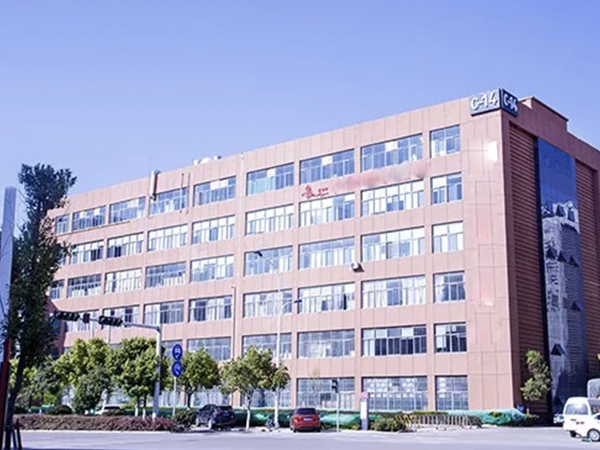
Our parent company was established in Yunnan, beginning commercial sales development with digital channel integration.
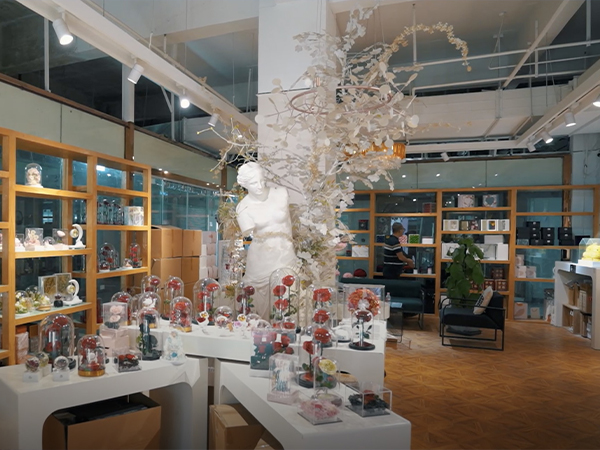
Our flagship offline store was officially opened, driving dual online and brick-and-mortar sales channels in parallel.
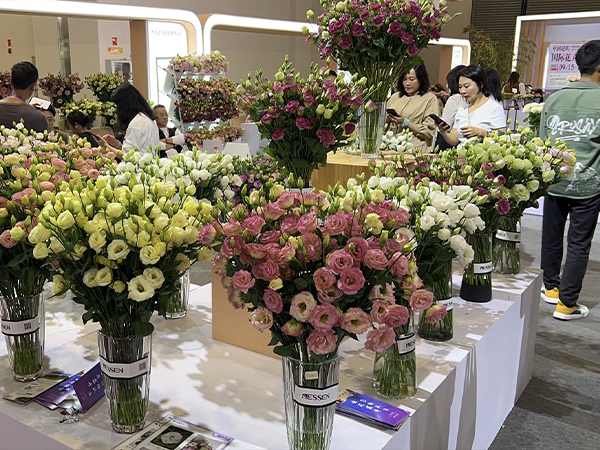
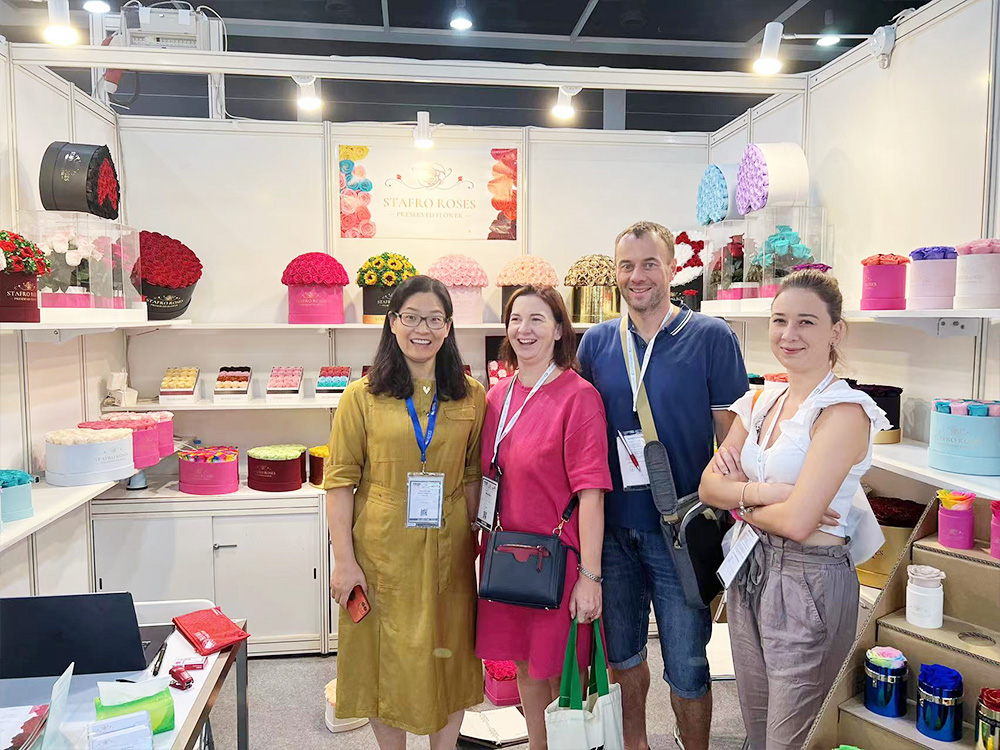
Began global exhibition presence to broaden outreach, and established an employee stock ownership system for collaborative innovation.
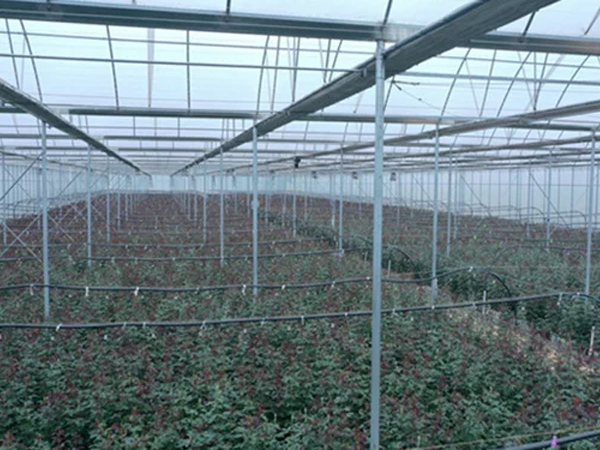
Our independent flower planting base entered full operation, with annual production reaching 12,000,000 roses and over 20,000,000 other botanicals.
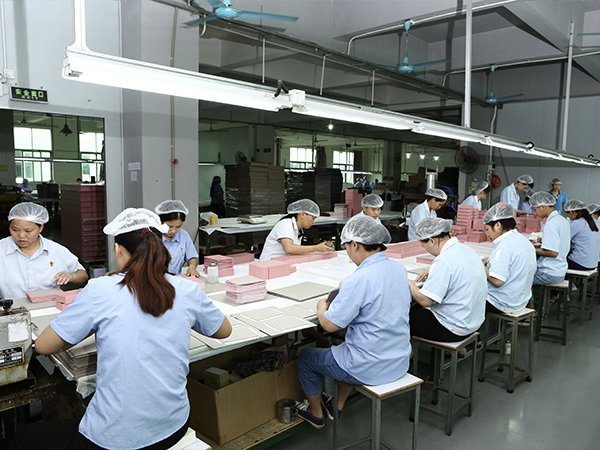
Rapid growth required dedicated quality control for packaging boxes. We founded a professional packaging subsidiary specializing in custom floral enclosures.
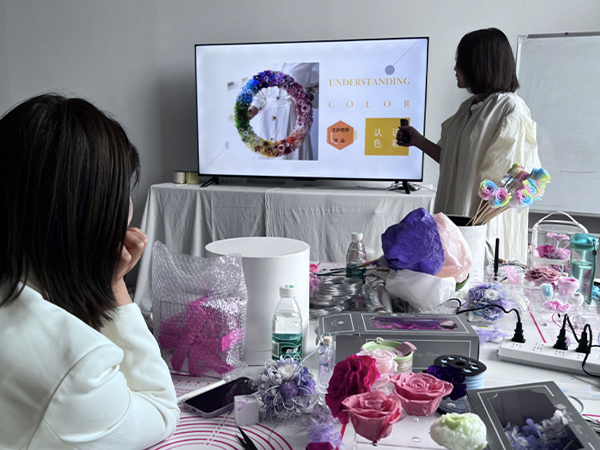
Invited recognized preserved flower instructors from Japan to provide ongoing training on techniques and new processing standards every two weeks.
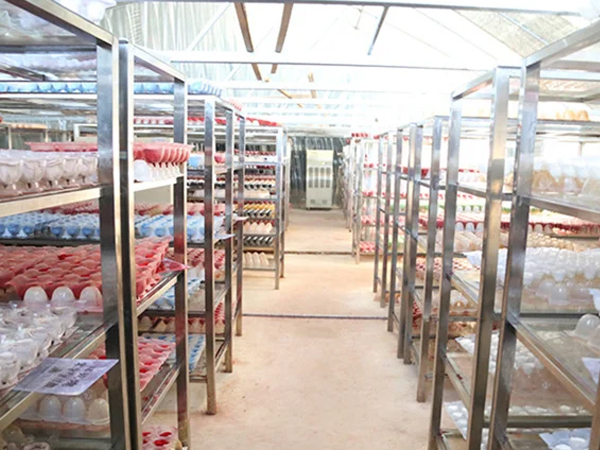
Adopted modern agricultural infrastructure, elevating capacity to 35,000,000 roses and 32,000,000 hydrangea stems across 800,000+ square meters.
Partnered with the Kunming Institute of Botany, Chinese Academy of Sciences, to formulate standardized preserved flower quality benchmarks and production metrics.
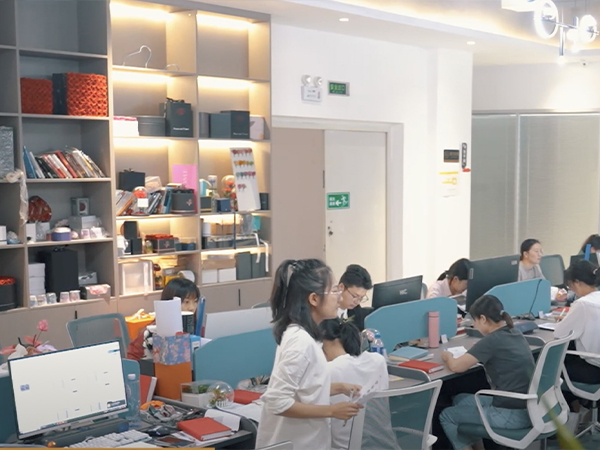
Established the Shenzhen Afro Biotechnology branch to directly assist global and regional partners with efficient project execution and export logistics.
Our Multidisciplinary Team & Corporate Ethics
Combining agricultural researchers, floral preservation specialists, and packaging designers dedicated to client satisfaction.
Collaborative Execution
Our team is focused on delivering efficient solutions to our clients, realizing their vision through innovation and collaboration. Coming from diverse technical, biological, and international trade backgrounds, our members leverage rich practical experience to solve display and distribution challenges.
Core Values & Partnership
We value teamwork and open communication, achieving notable results in cross-departmental cooperation. Guided by integrity, excellence, and customer orientation, we work closely alongside our global clientele to develop long-term commercial value and successful product programs.


